


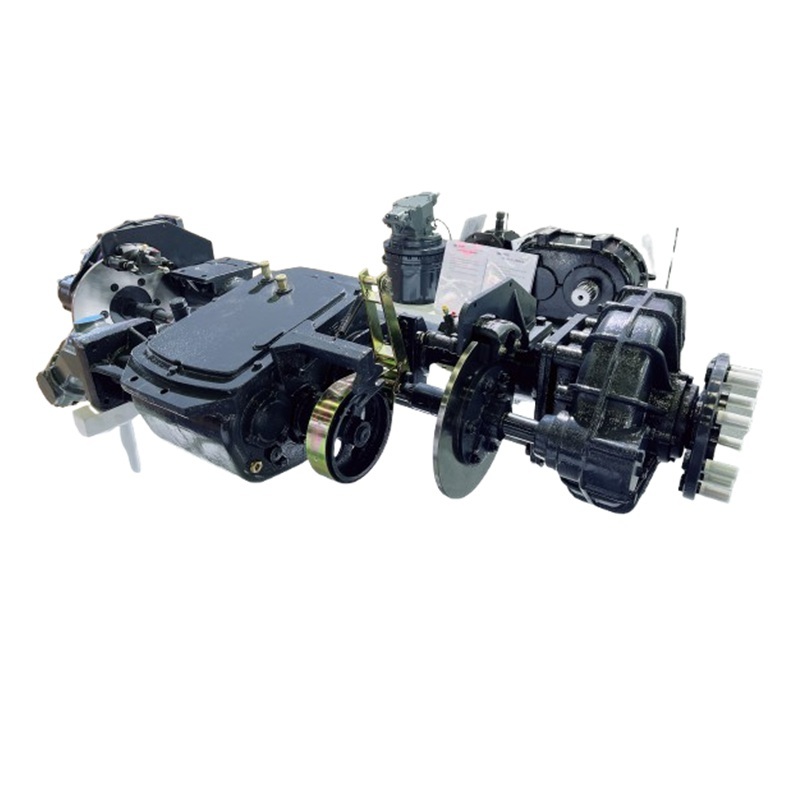
Rear Axle for Combine Harvester
Key words:
Drive gearbox axle
Classification:
Product Details
Rear Axle for Combine Harvester
The rear axle of a combine harvester is a crucial component that supports the machine and ensures stability during operation. It typically involves the following features:
-
Support and Stability: The rear axle helps to balance the heavy weight of the combine, especially when the grain tank is full. It must be strong enough to support the overall structure and absorb shocks from uneven terrain.
-
Steering Mechanism: In many combine harvesters, the rear axle is connected to the steering mechanism, allowing for precise control and maneuverability.
-
Articulation: Some combine harvesters have a rear axle that allows for articulation, which improves the machine's ability to navigate through rough and uneven fields.
-
Durability: Given the demanding conditions in which combine harvesters operate, the rear axle must be made of durable materials to withstand heavy loads and resist wear and tear.
-
Suspension: In some models, the rear axle is equipped with a suspension system to absorb impacts from rough ground, improving operator comfort and machine stability.

The box and half shaft sleeve are all made of ductile iron, which has good reliability and strong bearing capacity.
All gearshifts are synchronized, making it easy to shift without shifting gears.
Adopting a larger clutch, which is less prone to slipping and more powerful.

Testing Equipment
Full process inspection and testing.
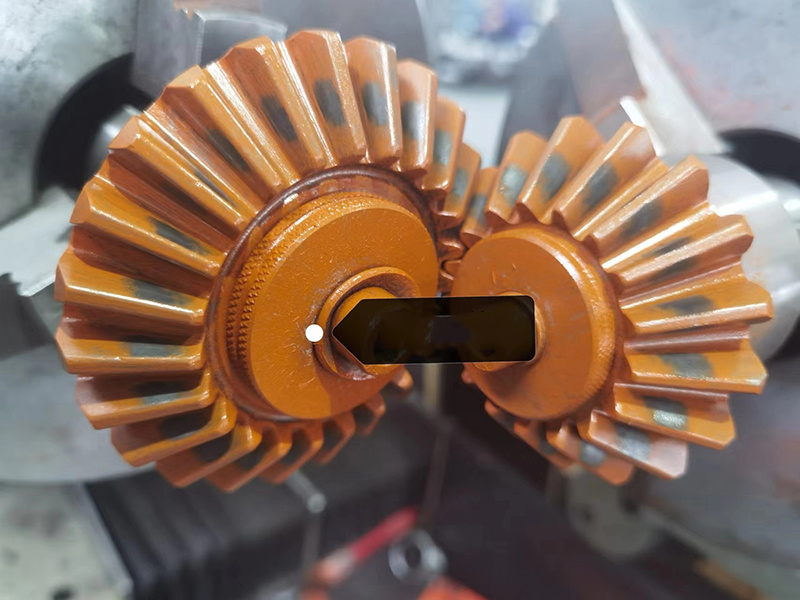
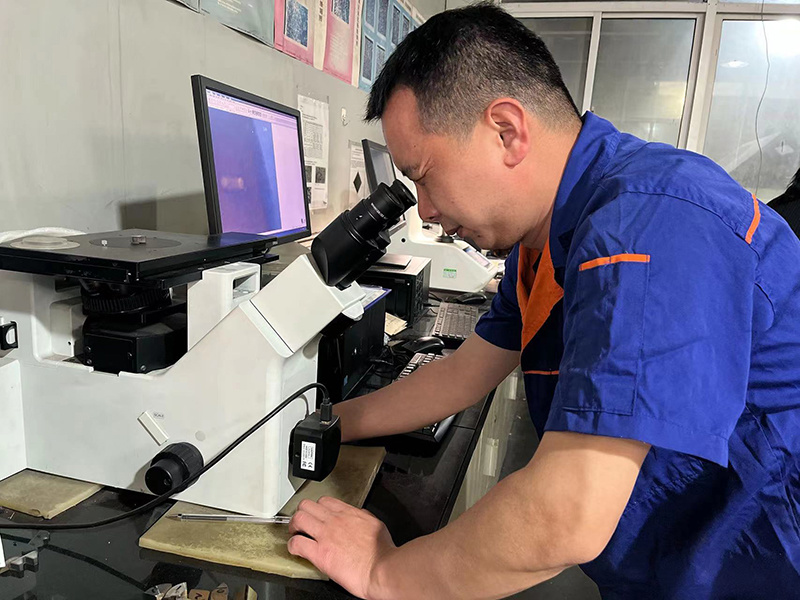
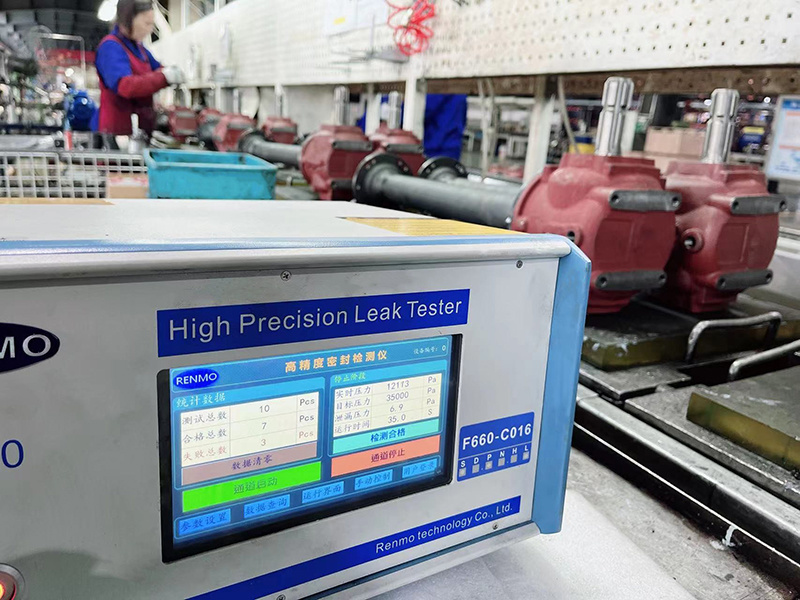
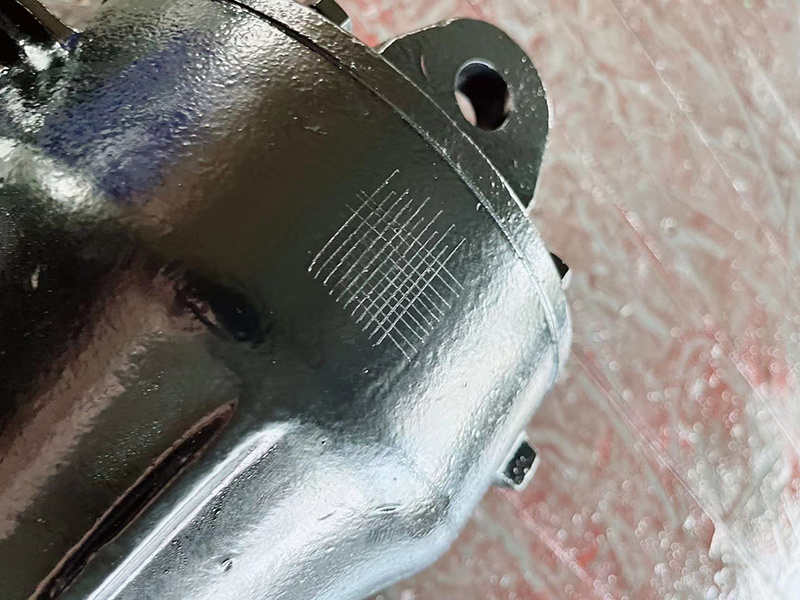
Include gear teeth contact pattern testing, CMM inspection, Metallographic analysis and testing,torque testing, Gearbox oil leakage testing, Gearbox noise testing, Paint adhesion testing…etc.

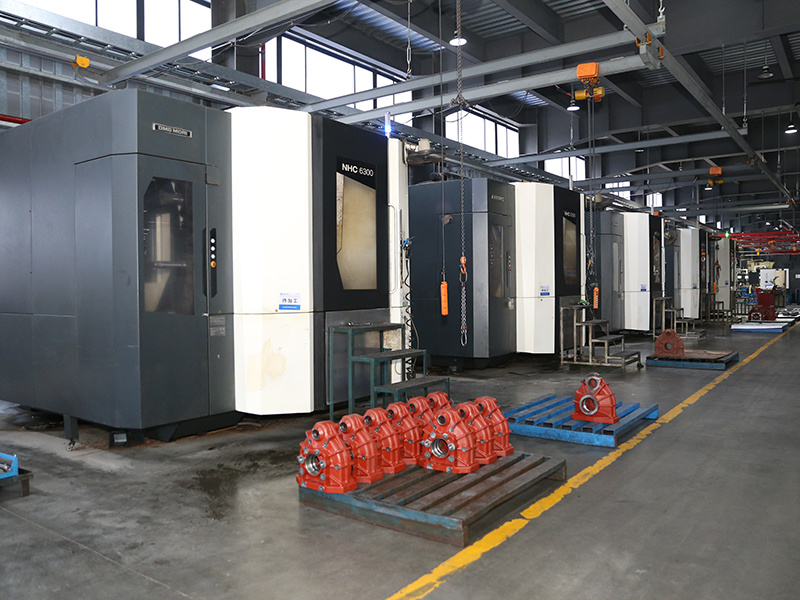
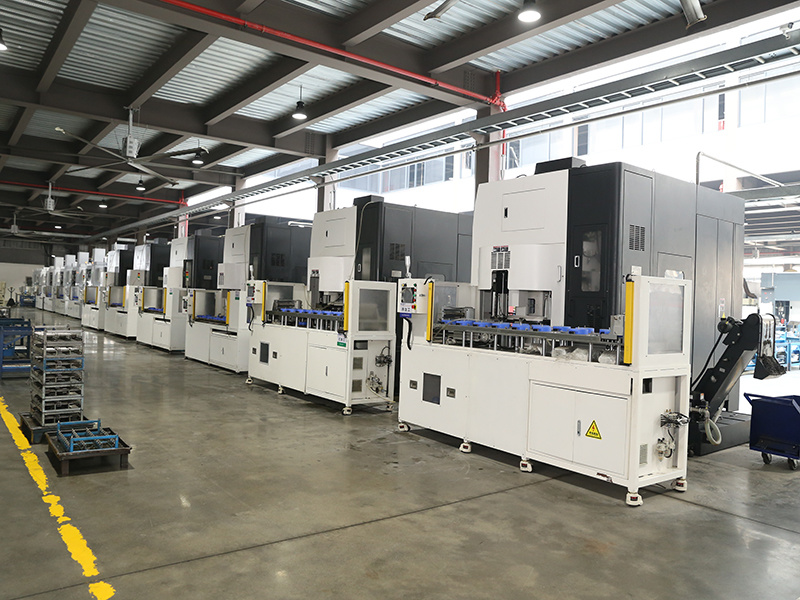
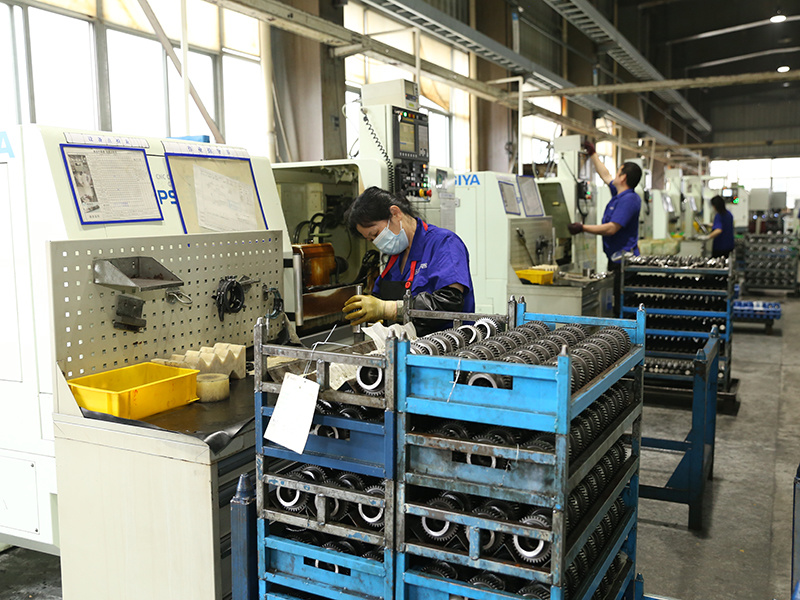
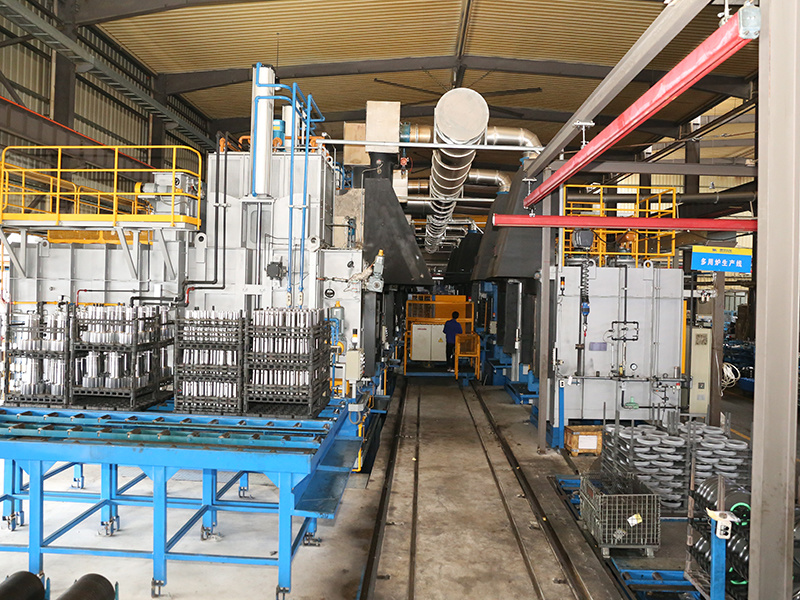
Production Strength
Full process from forging blank to finished gearbox.
Include forging gear, foundry housing, gear profile process (include hobbing, shaping, shaving, broaching…etc.) assembly, painting, packing.
Previous


 Rear Axle for Combine Harvester
Rear Axle for Combine Harvester
Rear Axle for Combine Harvester
Key words:
Drive gearbox axle
Classification:
Product Details
Rear Axle for Combine Harvester
The rear axle of a combine harvester is a crucial component that supports the machine and ensures stability during operation. It typically involves the following features:
-
Support and Stability: The rear axle helps to balance the heavy weight of the combine, especially when the grain tank is full. It must be strong enough to support the overall structure and absorb shocks from uneven terrain.
-
Steering Mechanism: In many combine harvesters, the rear axle is connected to the steering mechanism, allowing for precise control and maneuverability.
-
Articulation: Some combine harvesters have a rear axle that allows for articulation, which improves the machine's ability to navigate through rough and uneven fields.
-
Durability: Given the demanding conditions in which combine harvesters operate, the rear axle must be made of durable materials to withstand heavy loads and resist wear and tear.
-
Suspension: In some models, the rear axle is equipped with a suspension system to absorb impacts from rough ground, improving operator comfort and machine stability.
The box and half shaft sleeve are all made of ductile iron, which has good reliability and strong bearing capacity.
All gearshifts are synchronized, making it easy to shift without shifting gears.
Adopting a larger clutch, which is less prone to slipping and more powerful.
Testing Equipment
Full process inspection and testing.
Include gear teeth contact pattern testing, CMM inspection, Metallographic analysis and testing,torque testing, Gearbox oil leakage testing, Gearbox noise testing, Paint adhesion testing…etc.
Production Strength
Full process from forging blank to finished gearbox.
Include forging gear, foundry housing, gear profile process (include hobbing, shaping, shaving, broaching…etc.) assembly, painting, packing.
Related Products




Get free product quotes
Our staff will contact you within 24 hours (working days). If you need other services, please call the service hotline: 8613905863798
Copyright©2023 Wenling Minghua Gear Co., Ltd.